IVDD
IVDD is scary but there is hope.
There are different types of IVDD. One most commonly affects dogs like Dachshunds and French Bulldogs. Another affects older dogs.
What you might be noticing
Vocalization of pain
Reluctance to exercise play or walk
Rounded back or head down posture
Sudden weakness or dragging feet
Inability to walk
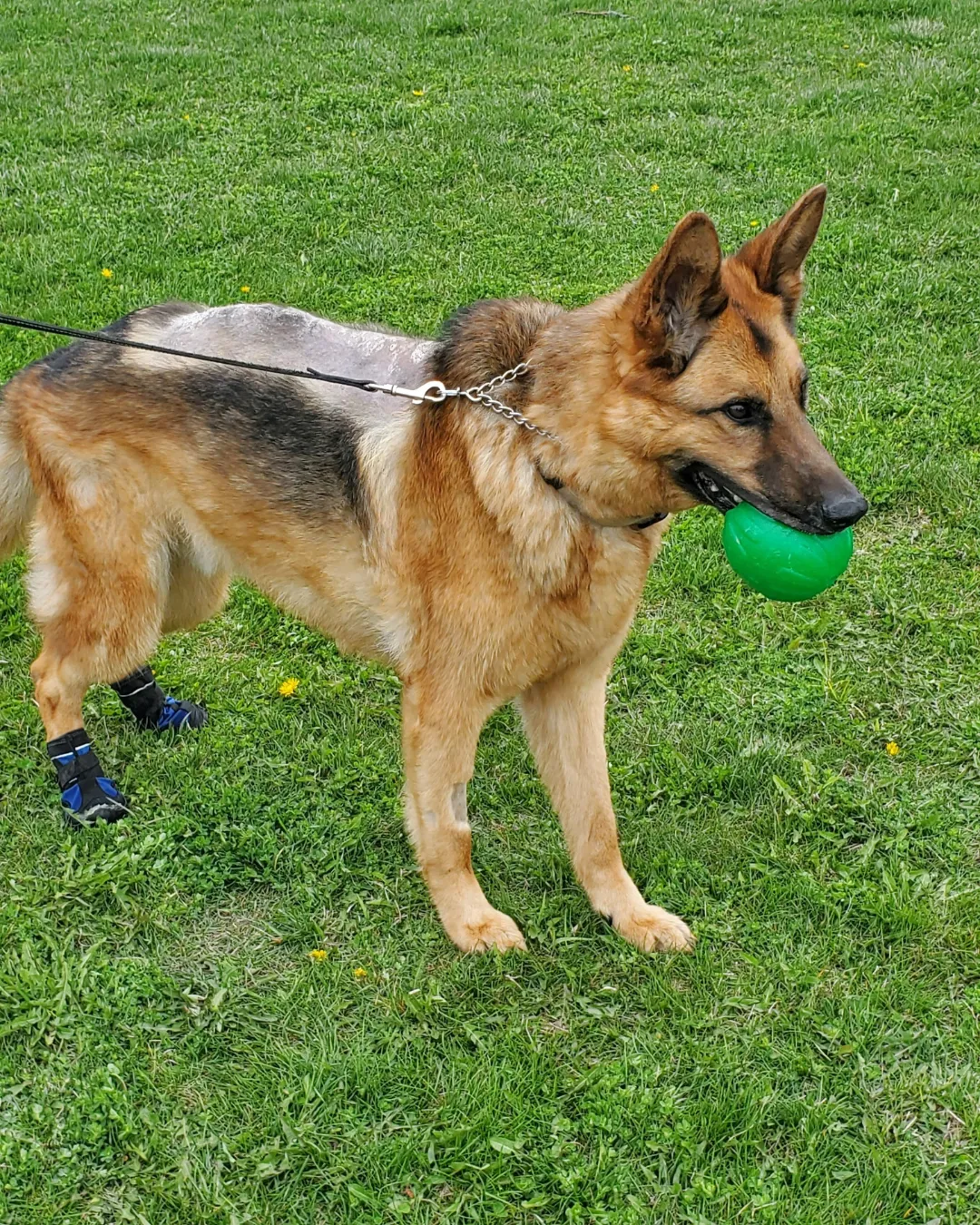
Rex had surgery for IVDD.
Signs can vary from mild to severe. All require treatment.
IVDD is emotionally draining.
Whether the onset was slow or sudden, seeing your dog in pain and unable to move their body is terrifying. The good news is that dogs and the nervous system are resilient and many dogs do improve.
Not all dogs have surgery or rebound quickly. If your dog is experiencing the following Pawsitively Fit can help.
Muscle weakness
Changing how they walk and move leading to further issues
Incontinence and skin wounds
Ongoing discomfort (especially muscle pain!)
That’s where a more complete approach makes a difference.
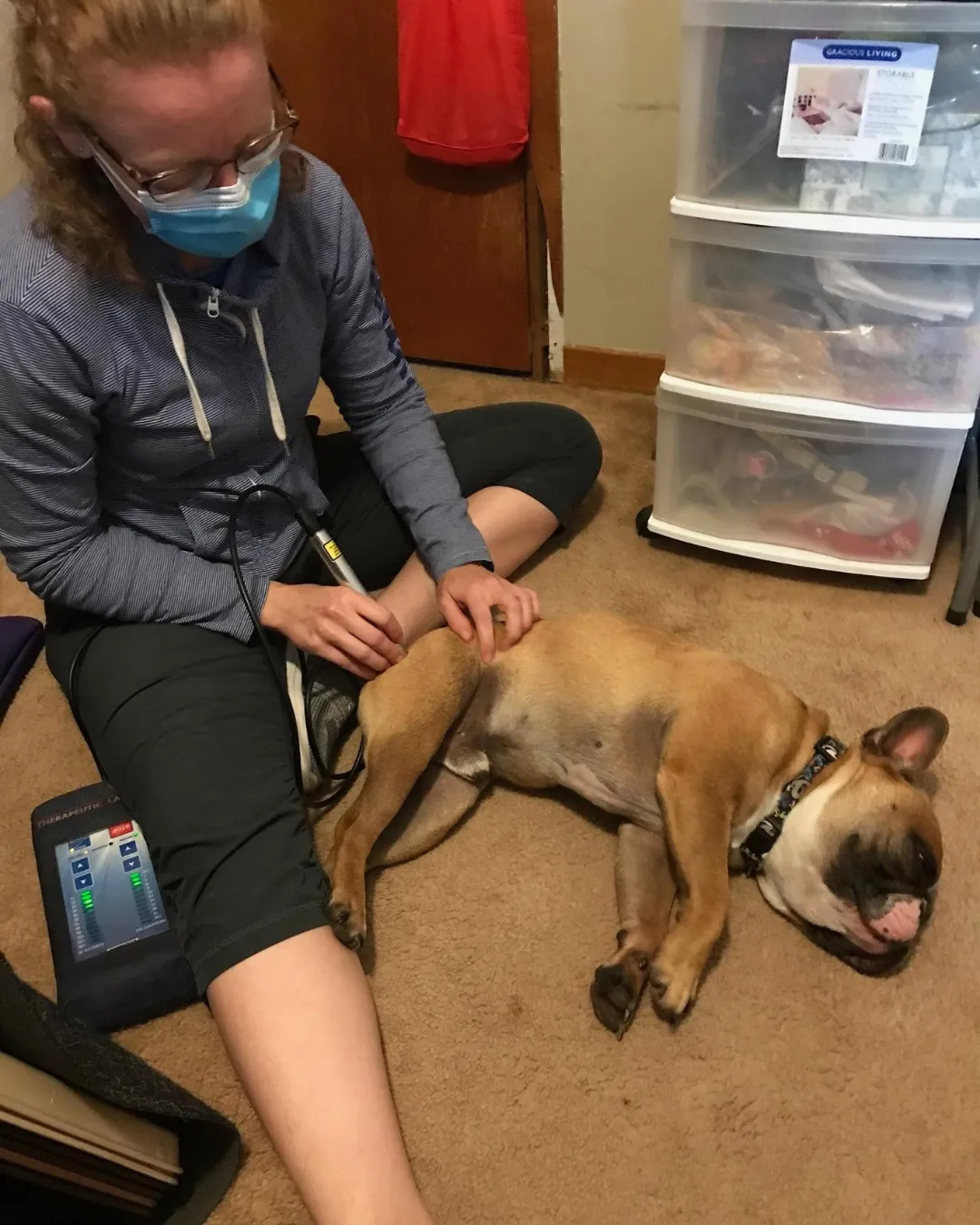
Watson had surgery for IVDD. He's receiving laser over acupuncture points to stimulate his hind legs.
How we help your dog moving again
Our in-home physiotherapy will help reduce pain and improve comfort, increase strength and improve movement patterns, encourage nerve function and re-growth and keep your dog active. Every plan is tailored to your dog, your home, and your goals
What this means for you and your dog
When we address strength, movement, AND pain-relief, the changes are undeniable.
Walks feel easier again
Less second-guessing what’s “too much”
Confidence in how to help your dog and that you are doing what's best!
More good days together
Ready to Help Your Dog Feel Better?
We don't have an online appointment calendar. You can reach us by text, email or telephone call. Or if you prefer, we can call you back! Fill out the form below and we'll be in touch soon!
If you’re noticing changes now, it’s worth addressing them early.
Prefer to Educate Yourself First?
If your dog was recently diagnosed with IVDD you may be feeling overwhelmed by all the available information. This guide can help you understand what's happening. In the guide you'll learn:
What IVDD is and why it leads to symptoms
How to recognize symptoms in your dog
Whether your dog really needs surgery or not and why your vet thinks it’s a must
How rehab can help your dog succeed
3 action steps to help your dog NOW
Questions You Might Be Asking
Can my dog still have their pain meds before a physio appointment?
YES!! We always prefer your dog stay on their pain meds for their assessment (even though some vets will recommend they be held). We can still do a thorough assessment and treatment with your dog having pain relief pre-appointment. The goal is to make your dog as comfortable as possible at all times.
I was told surgery was a must. Is this true?
The research is evolving in this area (more information is available in the IVDD Guide). Many vets will insist on surgery, especially if your dog is significantly impaired. However, at Pawsitively Fit we recognize that the ultimate decision about surgery comes from the owner. We also acknowledge that there are certain conditions that do require surgery.
If my dog had surgery and is walking again do they still need rehab?
YES. Surgery has allowed for the nerve signals to reach the muscles again. However, a strong dog with a strong core has less risk of injury (IVDD or otherwise). Many dogs become deconditioned during the acute IVDD phase and need help getting back in shape!
How soon will I see a difference?
Many dogs will see improvements after the first appointment. This can be subtle, such as less fatigue later in the day, or more obvious ability to use their legs.. Improvements are typically cumulative and the more consistent you are with your home program and therapy, the more improvements you will see.
My vet said physio wouldn't help.
Honestly this drives me crazy! If you have doubts about whether physio helps or not, have a read about what some of our past owners have said. Physio can and does help. Some vets will speak negatively about physio if they've not experienced it, have had negative results from other therapies that are not physio (such as hydrotherapy) or not feel comfortable with your dog being seen by a non-vet.
I think my dog will need a wheelchair and other equipment. Do you help with that?
Yes! At Pawsitively Fit we typically work with Walkin' Pets Wheelchairs and can help measure and set your dog up in a wheelchair. We can also help with recommending, measuring and ordering other supportive devices that your dog may benefit from.
Doesn't my dog need underwater treadmill to recover from a neurological injury?
No. Underwater treadmill (UWT) is a tool. It can be beneficial in allowing your dog to be unweighted and able to move their limbs but it is not an absolute requirement. UWT should be paired with other types of therapy that work on strengthening the body on land and addresses pain and other limitations. Many dogs do not like water or cannot access an UWT frequently. Again, it's a nice to have/bonus, but not a must.
What about other neurological conditions?
Chances are we can help. Dogs with Degenerative Myelopathy (DM), Wobbler's, Geriatric Idiopathic Vestibulitis (i.e. vertigo) and others can benefit from physio.
Stories From Dogs Who Got Their Spark Back
“Frank was diagnosed with probable IVDD and went from being playful to struggling with pain and walking. With physiotherapy and guided exercises, he made a full recovery and is back to being himself. We’re so grateful for the expertise and support during such a stressful time.”
— Elaine & Frank, 4 year-old Dachshund
“Frankie lost function in his back legs after an accident, and we weren’t sure what recovery would look like. With physiotherapy, laser therapy, and guided exercises, he is now running around the yard — something we never expected. We’re incredibly grateful for the care and support that made this possible"
— Lindsay & Frankie, 3 month old Bernese Mountain Dog
“Yoda was struggling with pain that was affecting his behaviour and mobility. After treatment, he returned to activities we hadn’t seen in years — playing, stretching, and moving more comfortably. His quality of life in his senior years has improved so much.”
— Juliann & Yoda, 13 year‑old Dachshund
©2026 Pawsitively Fit Canine Rehab
Serving Kingston & Area
Online Consults Canada Wide