CCL/ACL Tears
The injury you'd never heard of that is everwhere.
If your dog has injured the cruciate ligament, physio is vital for getting back to normal and also to protect the other knee!
We help dogs recover both with or without surgery.
What you might be noticing
Periodic limping that comes and goes but is worse each time and takes longer to go away
Reluctance to do normal activities like walks, stairs, get up onto furniture
Sitting with the injured leg out straight and refusal to sit squarely
Resistance to an owner trying to bend and straighten the knee
This type of injury doesn't get better on it's own. It is not a minor injury.
But it's just a "partial tear"
Unlike human ACL injuries which are an acute event ("one and done"), dog CCL injuries are like a fraying rope and is progressing over time.
Without appropriate care that goes beyond rest and medication, most partial tears will progress to a full tear.
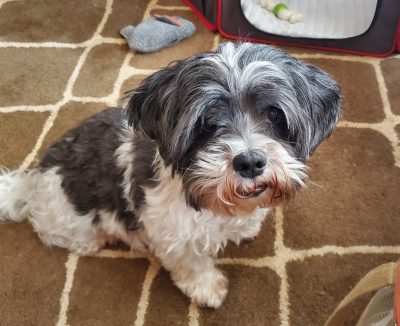
Sputnik recovered from a CCL-year without surgery
But my dog had surgery!
Surgery without rehab will only get your dog so far. Unfortunately, post-op physio is often not recommended or possibly a sheet of exercises is given.
If you're experiencing any of these, Pawsitively Fit can help:
Reluctance to use the repaired leg
Sloppy sitting
Ongoing discomfort, muscle loss and limping
Surgery is expensive. Make it worth it.
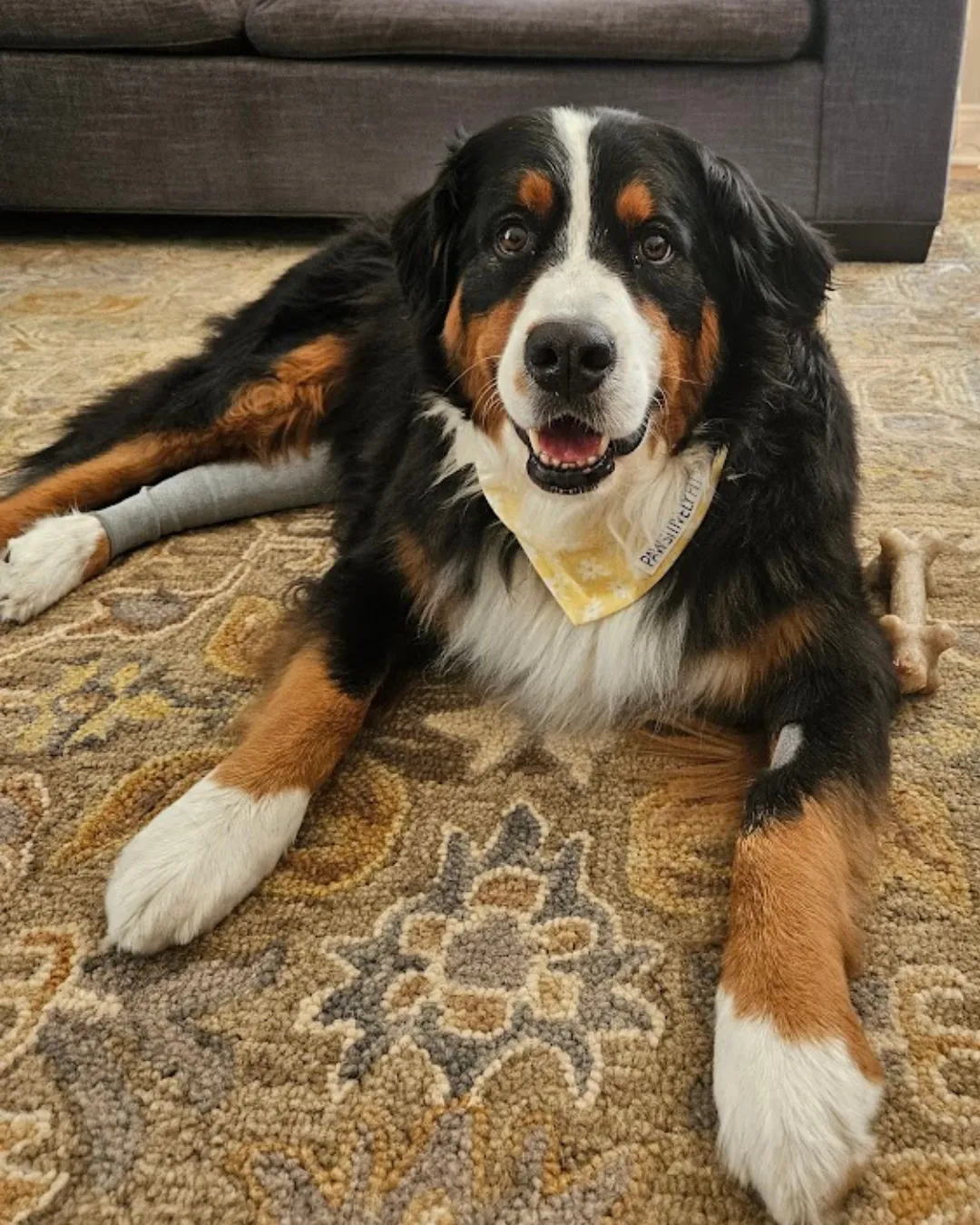
Frida had TPLO surgery and her owner called using Pawsitively Fit for rehab "the best decision ever!"
How we help your dog move and feel better
Our in-home physiotherapy will encourage your dog to use their repaired leg safely, increase strength and improve movement patterns, reduce the risk of a CCL tear on the other side, guide you through recovery without flare-ups and get your dog back running and playing!
Every plan is tailored to your dog, your home, and your goals.
What this means for you and your dog
When we address strength, movement, and comfort together, the changes are noticeable.
A plan for moving forward and eliminating the rest ➡️ activity ➡️limp cycle
Less second-guessing what’s “too much”
Confidence that your choice in surgery or no surgery was the best one
More good days together
Ready to Help Your Dog Feel Better?
We don't have an online appointment calendar. You can reach us by text, email or telephone call. Or if you prefer, we can call you back! Fill out the form below and we'll be in touch soon!
Prefer to Educate Yourself First?
If your dog has recently been diagnosed with a CCL tear you may be feeling overwhelmed by all the available information. This guide can help!
What cruciate tears are and how to recognize one
Why they've become some common and how to stop it from happening to your dog!
Your options if one does happen
How to prevent a second tear!
Questions You Might Be Asking
Can my dog still have their pain meds before a physio appointment?
YES!! We always prefer your dog stay on their pain meds for their assessment (even though some vets will recommend they be held). We can still do a thorough assessment and treatment with your dog having pain relief pre-appointment. The goal is to make your dog as comfortable as possible at all times.
I was told my dog needs underwater treadmill, is physio the same?
No! The marketers of the underwater treadmill (UWT) have done a fabulous job and it's great for challenging the cardiovascular system and for supporting limbs that can't take full weight but it falls short of what a full program can do. Underwater treadmill does not provide progressive overload (i.e. increasing challenging to the leg). Many dogs who are favouring their leg on land who participate in hydrotherapy still favour their leg after. The underwater treadmill does not address proper use of a leg (e.g. regaining full knee and ankle bend, proper sitting mechanics, etc). And the UWT is not something that most owners can access more than once or twice a week which is a far from optimal dose when it comes to rehabilitation.
Is it true there is a 50/50 chance the other knee will tear?
Yes. Unfortunately this is true. Roughly 50% of dogs will go on to rupture the ligament on the other side within 1-2 years of the initial injury. Have a labrador retriever? Research shoes that there is no time delay in this breed and a tear of the other CCL can happen at any time. What we don't have concrete research on is how many dogs go on to injury the other knee when they've had appropriate physiotherapy. Anecdotally, at Pawsitively Fit we see fewer tears on the other side when a rehab program has been followed.
My vet said the surgery was successful but my dog still isn't right.
We hear this one all the time! There is a huge difference between the surgical site being healed and doing well and the rest of the body moving well. The most common issues we see after surgery are on-going weakness (leading to limping/lameness), untreated pain, poor use of the repaired leg, poor flexibility at the knee and ankle of the repaired leg. Often times a dog has become so used to not using all four legs that they continue on using "3 and a bit" legs. A physiotherapy assessment can help to pinpoint the cause of the altered movement and develop an appropriate plan!
My vet didn't give me an options other than surgery.
There are many reasons why owners feel surgery is not the best choice for their dog including finance, their dog's health or age or their own personal beliefs. In general, surgery can provide the quickest resolution but it is not a must for all dogs. If the meniscus is torn, surgery is generally required. If your dog is older, has health concerns or is not very active, a non-surgical approach may be the best path forward. An evaluation by Pawsitively Fit can help determine which path forward may be the best choice for your dog as we have experience with both scenarios. Many veterinarians are not as experienced with conservative management that included physio and may be a reason they did not discuss it with you.
How soon after surgery should physio start?
We see the best results by getting started within the first 5-days after surgery. Many vet surgeons are not actively showing owners how to perform the initial post-op exercises before they bring their dog home and owners are fearful of hurting their dogs. We want you to get started right away to reduce the pain and swelling to set your dog up for success!
I'm not in the Kingston area, can I still work with Pawsitively Fit?
Yes! If you are outside of our Kingston catchment area for in-home appointments, or prefer to meet virtually, we have helped dogs with virtual consults recover from CCL injuries. In some cases, owners will pair virtual appointments with laser therapy sessions with a local clinic to optimize healing and outcomes.
Stories From Dogs Who Got Back On Their Feet Again
“Scotia had a cruciate injury and we chose a conservative approach. With Shauna’s guidance, she improved to the point where she’s now running, playing ball, and getting up without hesitation. We feel so much more confident supporting her moving forward.”
— Tricia & Scotia, 11 year‑old German Shepherd dog Non-surgical recovery
“Tracer had cruciate tears in both knees and wasn’t recovering well after surgery. With physiotherapy, he regained strength, muscle, and full use of his legs. He’s now back on all four legs, and we have the tools to keep him strong.”
— Kim & Tracer, 4 year-old Cocker Spaniel Surgical recovery
“Tala injured her knee and needed support to fully recover. With Shauna’s help, she returned to running and playing without pain. We also learned exercises to keep her strong long-term and safely active with our family.”
— Sean & Tala, 2 year‑old Boxer Non-surgical recovery
A Note from Shauna
If you're on this page of the website, I want you to know I've been in your shoes! My own dog Maggie had TPLO surgeries on both knees 8-weeks apart. I was just going through my rehab training at the time. Even with my background as a physiotherapist and my recent dog education, I was stressed and nervous.
I want you to know it can and does get better. You just need help and guidance.
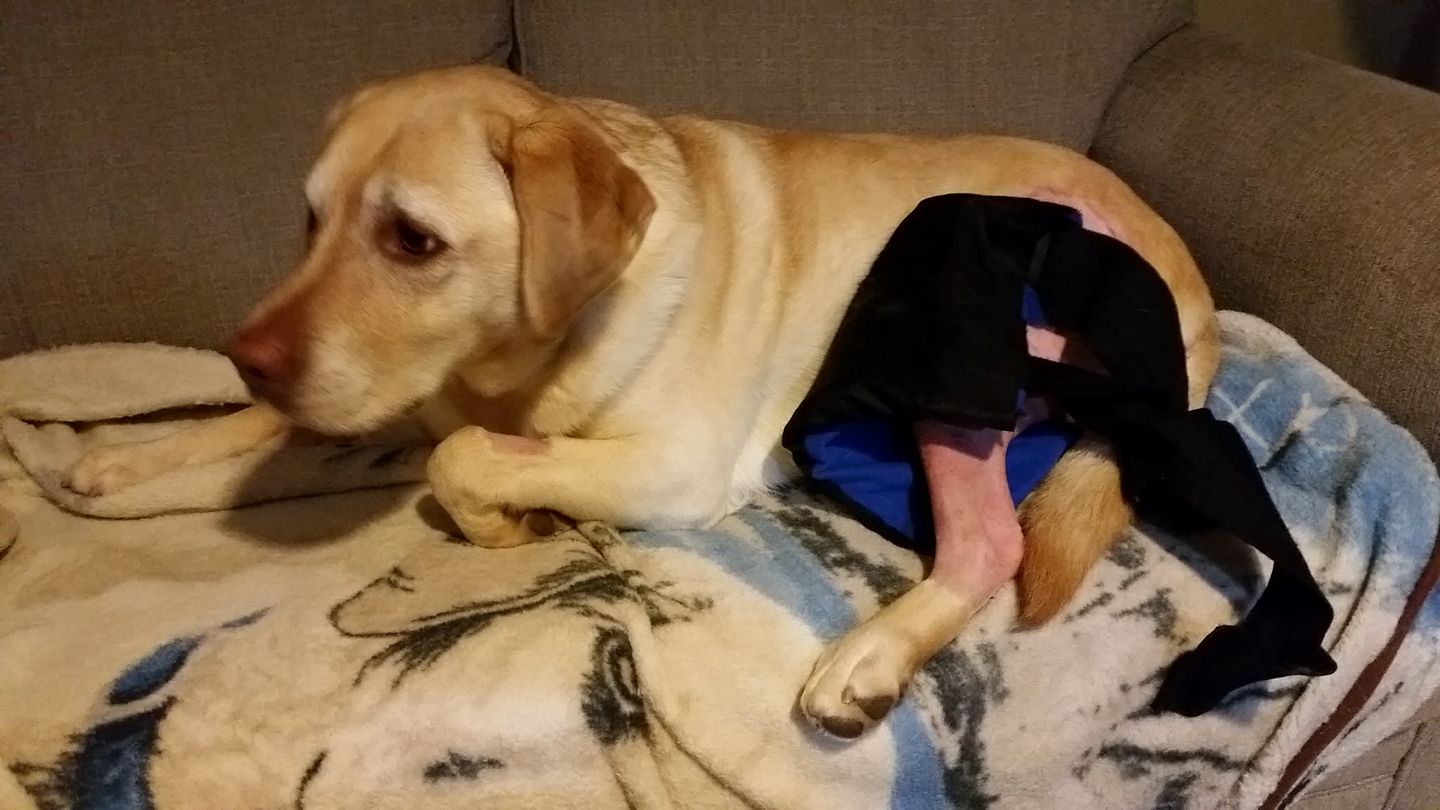
In 2017 Maggie had two TPLO surgeries.
©2026 Pawsitively Fit Canine Rehab
Serving Kingston & Area
Online Consults Canada Wide