Hip Dysplasia
Hip dysplasia is progressive.
Physio helps to stabilize the hips, reduce pain and keep your dog active so they have more good years ahead!
What you might be noticing
Limping/lameness that may come and go
Bunny hopping when running and large bum sway when walking
Stiffness after resting
Poor muscle bulk in the rear legs
Signs of pain
Hip dysplasia can progress to arthritis.
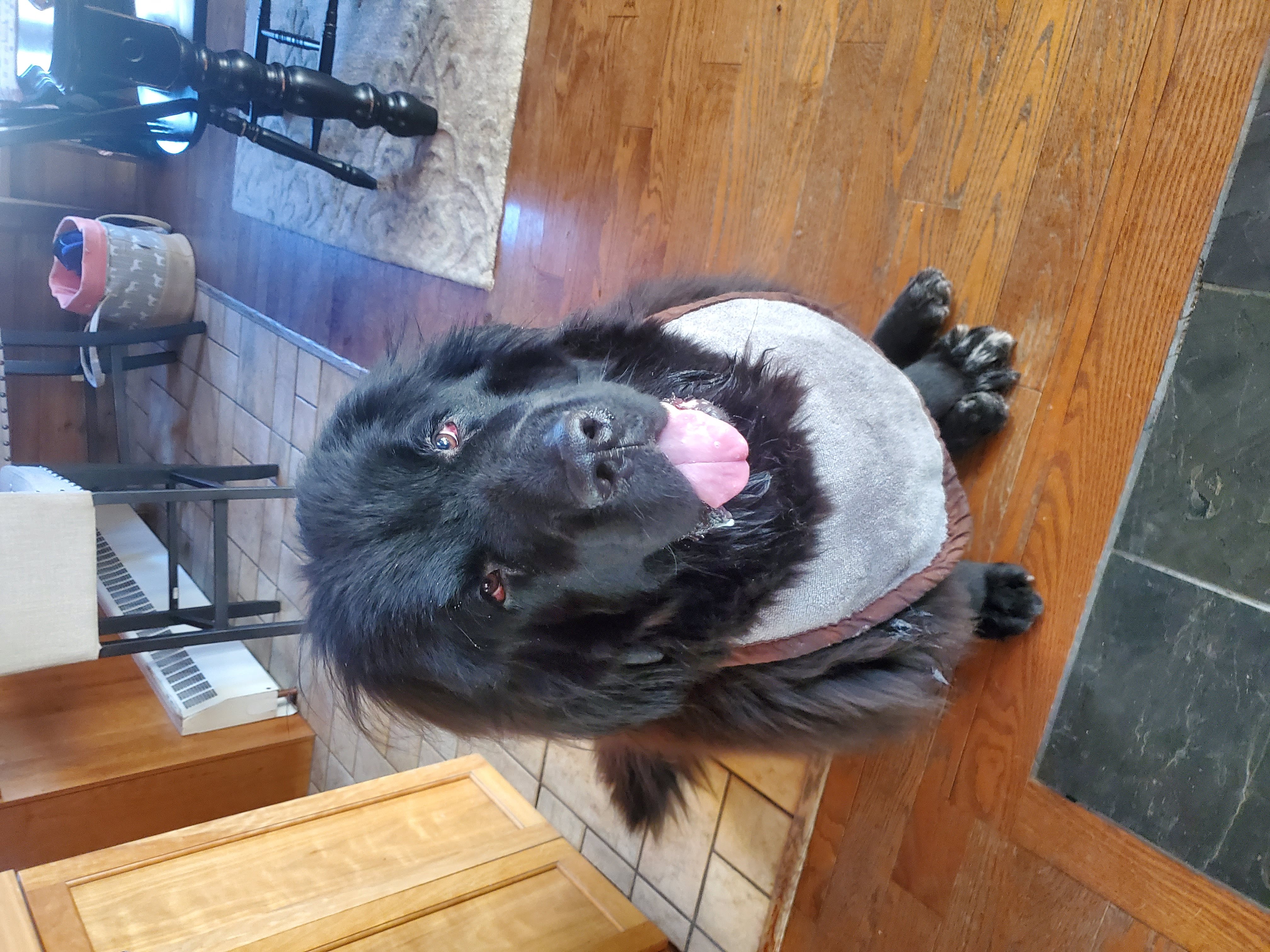
Percy started with Pawsitively Fit after a cruciate ligament injury that made his hip dysplasia worse
Hip dysplasia can progress to arthritis.
Hip dysplasia affects more than just the hips.
Hip dysplasia can become a whole body problem - weak rear legs, overused core and front legs, pain, poor endurance...
Many dogs are already on medication—but still struggle with:
Muscle weakness
Changing how they walk and move leading to further issues
Ongoing discomfort (especially muscle pain!)
That’s where a more complete approach makes a difference.
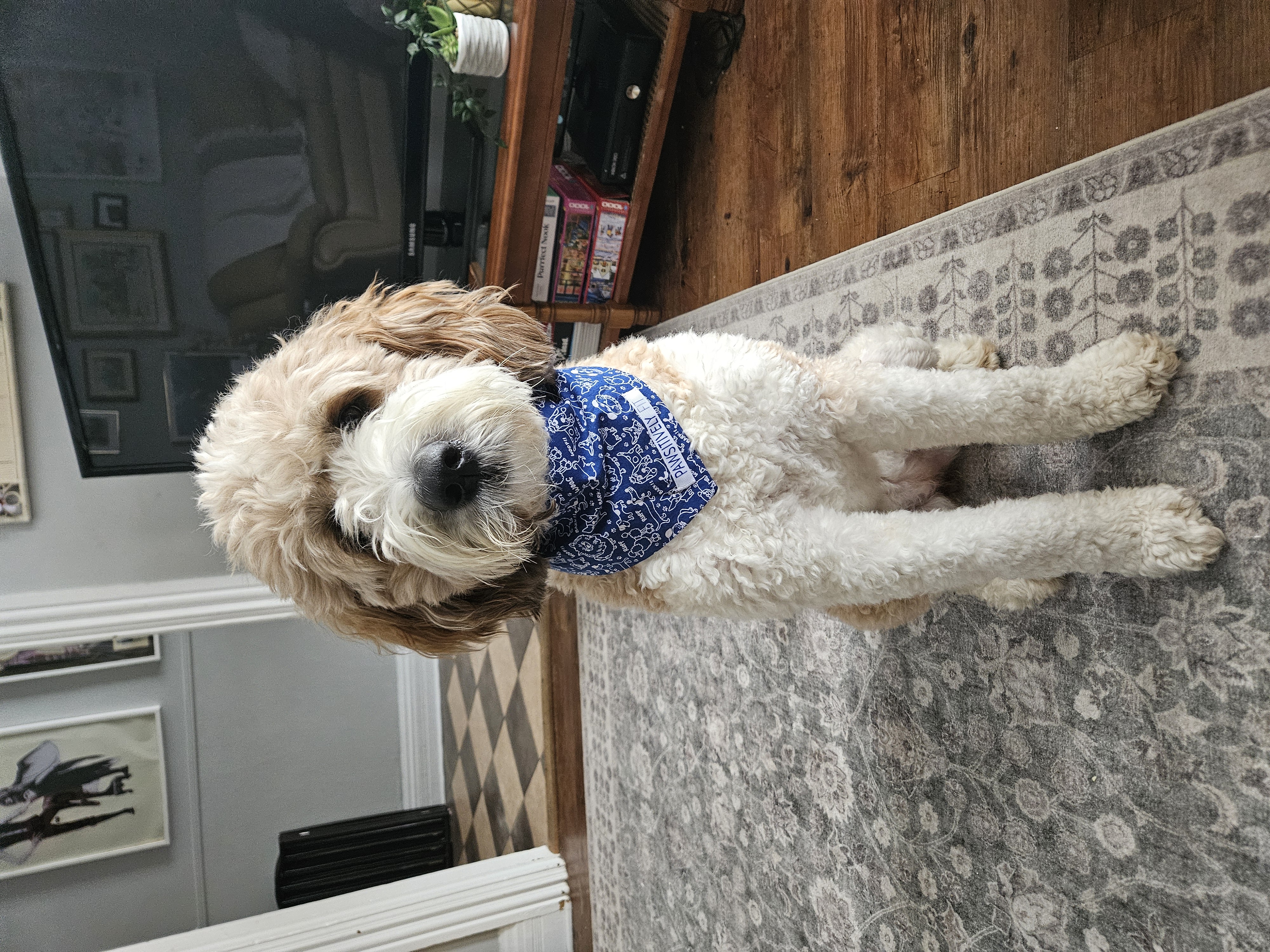
2-year old Alice worked hard to gain strength and flexibility in order to avoid needing surgery.
How we help your dog move and feel better
Our in-home physiotherapy will help reduce pain and improve comfort, increase strength and improve movement patterns, support joints without overloading them and keep your dog active! Every plan is tailored to your dog, your home, and your goals.
What this means for you and your dog
When we address strength, movement, AND pain-relief, the changes are undeniable.
Walks feel easier again
Less second-guessing what’s “too much”
Confidence in how to help your dog and that you are doing what's best!
More good days together
Ready to Help Your Dog Feel Better?
We don't have an online appointment calendar. You can reach us by text, email or telephone call. Or if you prefer, we can call you back! Fill out the form below and we'll be in touch soon!
If you’re noticing changes now, it’s worth addressing them early.
Questions You Might Be Asking
Can my dog still have their pain meds before a physio appointment?
YES!! We always prefer your dog stay on their pain meds for their assessment (even though some vets will recommend they be held). We can still do a thorough assessment and treatment with your dog having pain relief pre-appointment. The goal is to make your dog as comfortable as possible at all times.
Since hip dysplasia doesn't go away, will my dog need physio forever?
Great insight! You're right. Hip dysplasia doesn't go away but we can reduce or eliminate pain. There are times when we can get the right management plan in place and physio doesn't have to be on-going. Some dogs need "check-in" appointments every so often. After we've assessed your dog we will discuss the options and what is best for your dog. YOU are always the one who decides if your dog needs more or less, not us.
How soon will I see a difference?
Many dogs will see improvements after the first appointment. This can be subtle, such as less fatigue later in the day, or quite obvious (e.g. jumping up onto the bed again). Improvements are typically cumulative and the more consistent you are with your home program and therapy, the more improvements you will see.
My vet said physio wouldn't help.
This drives me crazy! If you have doubts about whether physio helps or not, have a read about what some of our past owners have said. Physio can and does help. Some vets will speak negatively about physio if they've not experienced it, have had negative results from other therapies that are not physio (such as hydrotherapy) or not feel comfortable with your dog being seen by a non-vet.
Stories From Dogs Who Thrived Despite Hip Dysplasia
“Abby had been managing hip dysplasia for years before a setback made things much harder. With physiotherapy and guided exercises, she became stronger, more mobile, and we finally felt hopeful again. We now have a clear plan to support her and keep her moving comfortably.”— Melanie & Abby, 12 year‑old Lab mix
“Percy was dealing with significant hip dysplasia along with a cruciate injury, and we were worried about his future. With physiotherapy, he gradually rebuilt strength and returned to walking, swimming, and playing. He’s now a happy, active dog again.”
— Marcy & Percy, 3 year‑old Newfoundland Dog
“Ben has hip dysplasia but continues to live a full, active life. With ongoing physiotherapy, he stays strong, mobile, and comfortable enough to keep doing what he loves. His care supports not just movement, but his overall quality of life.”
— Irene & Ben, 10 year‑old Bernese Mountain Dog
©2026 Pawsitively Fit Canine Rehab
Serving Kingston & Area
Online Consults Canada Wide